
Organizations today generate vast amounts of transactional data through their enterprise applications. While Oracle Fusion Applications provide rich operational data, every business has unique reporting requirements, KPIs, and analytical needs that go beyond standard out-of-the-box metrics. This is where Oracle FDI offers two vital features: Data Augmentation and Data Augmentation Scripts (DAS). While they sound…
Read MoreBlogs
The Enterprise Context Layer: Making Enterprise Data Usable by AI

Large language models can draft contracts, summarize research, and write code in seconds. Yet when you ask one a specific question about your own business, such as which customers are at risk this quarter, the answers often fall short. The model itself is rarely the problem. The problem is context. Most enterprises hold vast amounts…
Read MoreData Access Control in Tableau: A Practical Guide to Row-Level Security (Part 1)
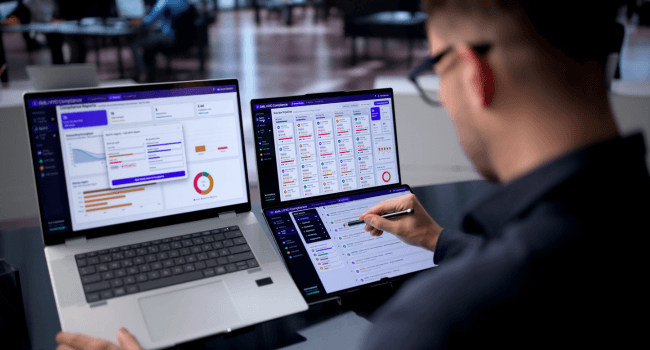
From User Filters to a Scalable Hybrid Approach Data security is a critical component of modern analytics platforms. Organizations often need to ensure that users can access only the data relevant to their roles, territories, or business functions. Tableau provides multiple approaches to implementing Row-Level Security (RLS), ranging from simple user-based filters to scalable entitlement-driven…
Read MoreMCP + Oracle Integration: Connecting AI Agents to Enterprise Business Processes

From AI conversations to controlled business actions In the recent days, AI has become part of our everyday business conversations. People can ask questions, look for the information, and get help with the tasks. But it gets value when AI needs to go beyond providing an answer and actually help complete a business activity. For…
Read MoreService-to-Sales Order Automation Using Groovy Scripts in Oracle Fusion

In modern Oracle Fusion implementations, achieving seamless integration between Service transactions and Sales Orders is critical for operational efficiency and accurate data management. This blog demonstrates how Oracle Fusion Order Management Extensions (OME) and Groovy scripting can be used to automate the end-to-end flow between Service Requests and Sales Orders. The article focuses on: Synchronizing…
Read MoreIs Your Oracle Support Model Keeping Pace with Change?

As Oracle technology evolves and business priorities shift, organizations need more than traditional support to stay ahead. Change has always been part of managing enterprise technology. For organizations running Oracle, the pace and complexity of that change keep growing. New functionality, AI capabilities, quarterly releases, security requirements, integrations, and shifting business priorities all land on…
Read MoreDevelop Intelligent Integrations: The Next Evolution with Agentic AI, LLMs, and Modern Integration Platforms

In the previous article, we explored how Agentic AI differs from traditional integration approaches and discussed its key advantages and limitations. This leads to the next important question for integration architects: Where does Agentic AI add value, and which integration use cases are good candidates for agentic capabilities? This article explores practical, enterprise-focused use cases…
Read MoreHow Oracle Is Shaping the Next Era of Enterprise AI: Key Themes from AI World 2026
Oracle AI World 2026 took place in October and was extremely well attended. There was a palpable sense of anticipation among attendees. By now, most people have had their own experiences with AI, and most companies have dabbled with it. This year, they arrived ready for what’s next – and ready to get real about…
Read More